- Details
- Written by: Snow Magazine Staff
Sponsored content
So, what are the most common mistakes beginner skiers make, and how can you avoid them?
Aaron Tipping, an experienced ski instructor, BASI Trainer and Maison Sport co-founder, shares his expert advice to help beginner skiers develop good habits, improve their technique and progress with confidence from day one.

5 common beginner skiing mistakes and how to fix them
When learning to ski, most beginners face similar challenges. Understanding how to correct technique issues can help you build confidence and develop good habits from the start.
Here Aaron shares five common mistakes he sees when teaching beginner skiers, along with his advice on how to fix them:
1. Leaning back
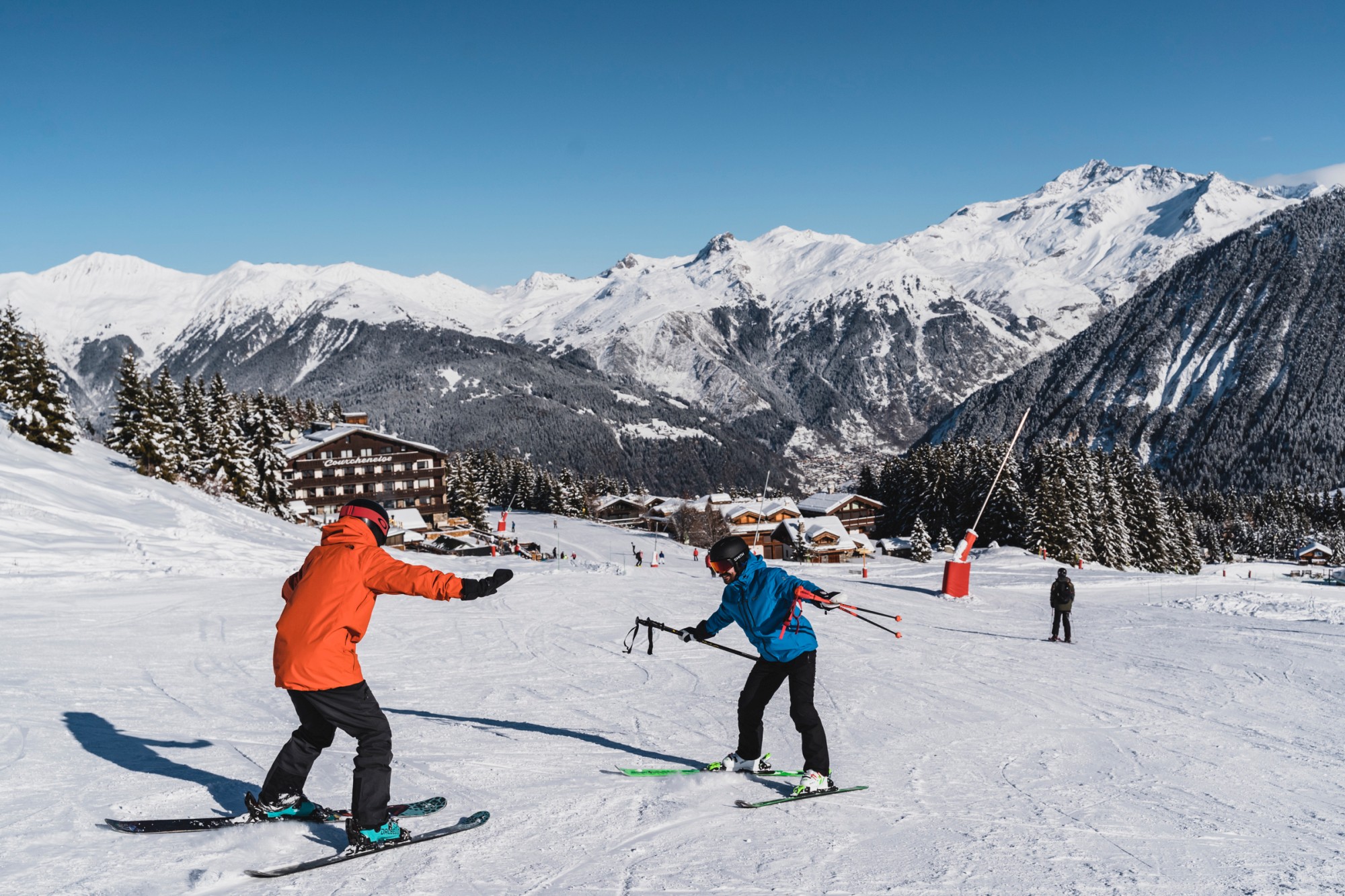
Leaning back is one of the most common mistakes beginner skiers make, particularly when they feel nervous or start to pick up speed. Shifting your weight towards your heels makes it harder to steer your skis effectively, reducing your control over your direction and speed.
When you lean back, the tips of your skis become less effective at guiding your turns. This can make you feel even less in control, encouraging you to lean back further.
How to fix it:
- Flex your ankles: Aim to feel gentle contact between your shins and the fronts of your ski boots.
- Maintain a balanced stance: Keep your ankles, knees and hips slightly bent, with your hips positioned over your feet rather than behind them.
- Keep your hands forward: Hold your hands in front of your body to help maintain a balanced position.
- Practise on gentle slopes: Choose an easy run where you feel comfortable enough to focus on your posture.
Aaron explains why leaning back can be counterproductive:
“Your body is trying to protect you, but on skis it does the opposite. Leaning back takes away your steering and your control at the same time.”


2. Turning with your upper body
When learning to turn, many beginners rotate their shoulders and swing their arms in the direction they want to go. Although this might help bring the skis around, it can lead to skidded turns, poor balance and difficulty linking one turn to the next.
Instead, focus on guiding your legs and feet through the turn while keeping your upper body relatively stable. This helps you maintain balance and prepare for the next turn without having to reset your position each time.
How to fix it:
- Keep your upper body relaxed: Avoid swinging your shoulders to initiate a turn.
- Steer with your legs: Focus on guiding your feet and legs into the new direction rather than rotating your whole body.
- Keep your hands in front: Avoid letting your arms and poles swing around with each turn.
- Practise linked turns: Start on a wide, gentle slope and focus on making smooth, controlled turns.
3. Skiing with too much tension
Feeling nervous is normal when you're learning to ski, but excessive tension can make it harder to stay in control. Stiff legs cannot respond as effectively to changes in the terrain, while hunched shoulders and a tight grip on your poles can leave you feeling tired more quickly.
Relaxed, balanced movements make it easier to absorb changes in the snow and develop a more consistent skiing technique.

How to fix it:
- Keep your joints relaxed: Maintain a comfortable bend in your ankles, knees and hips so your legs can respond to the terrain.
- Breathe steadily: Try breathing out as you start a turn to help release tension.
- Loosen your grip: Hold your poles comfortably rather than gripping them tightly.
- Choose suitable runs: If you find yourself stiffening up, return to an easier slope where you can practise without feeling overwhelmed.
4. Leaning too far into a turn
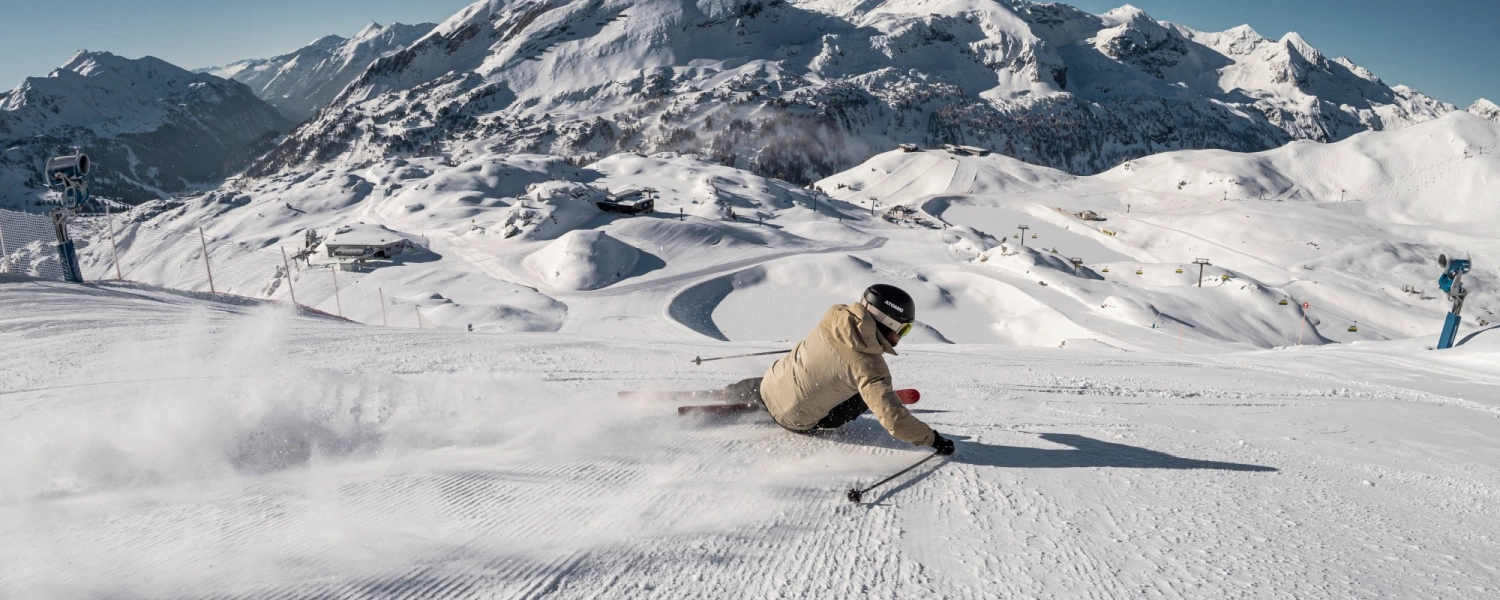
It can feel natural to lean your whole body towards the inside of a turn, much as you would when cycling around a corner. However, leaning too far inwards can make it harder to maintain balance and grip through your outside ski, which plays an important role in supporting you through the turn.
If your balance shifts too far towards the inside ski, you may find it harder to control your edges, particularly on firmer snow. Learning to maintain balance and appropriate pressure through your outside ski is an important step towards making more controlled turns.
How to fix it:
- Stay balanced: Avoid tipping your shoulders excessively towards the inside of the turn.
- Focus on your outside ski: Aim to maintain contact and appropriate pressure through the outside ski as you turn.
- Practise on gentle terrain: Focus on maintaining a stable position and linking turns smoothly before moving onto steeper slopes.
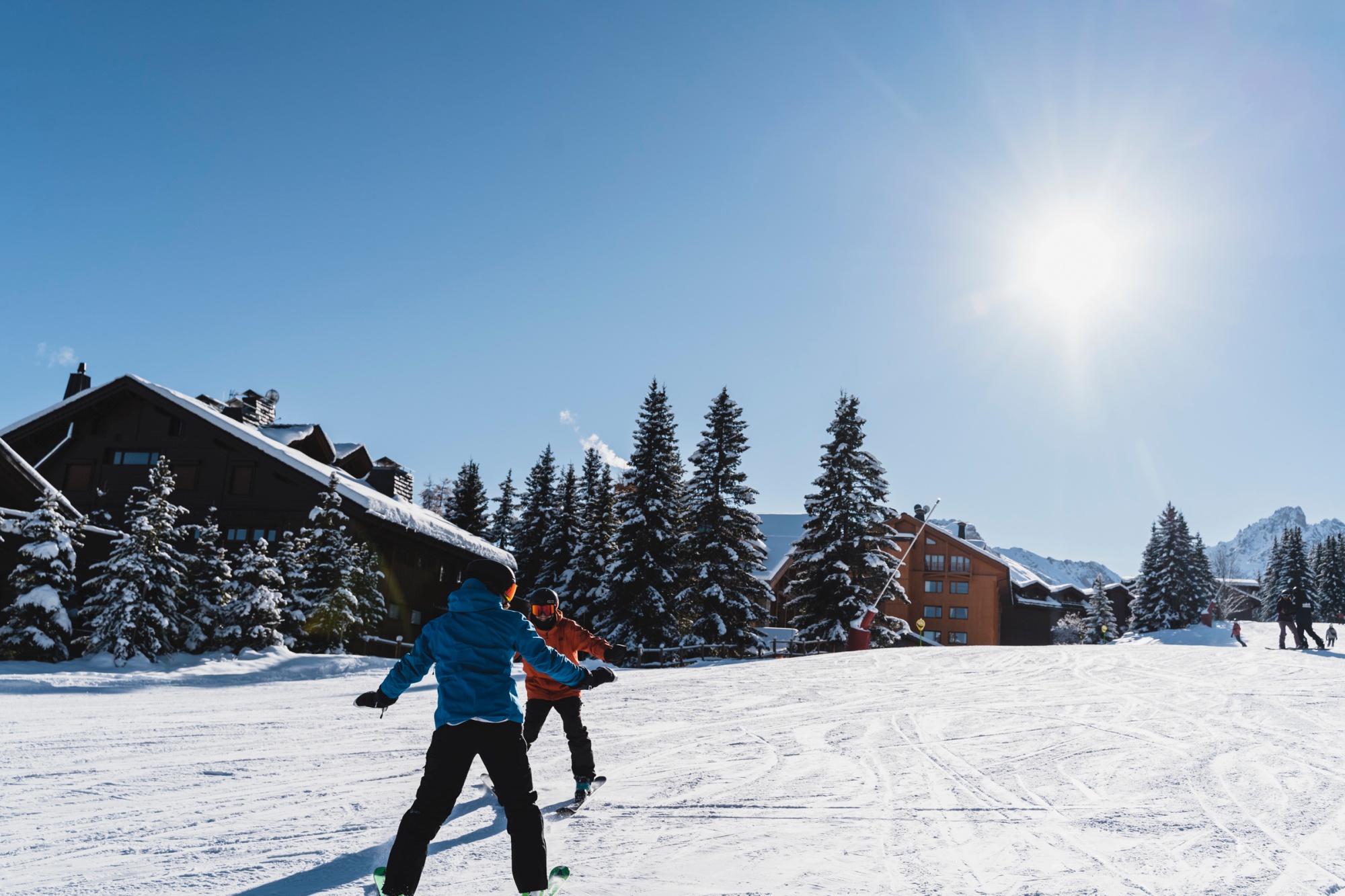
An instructor can help you recognise where your balance is shifting and suggest exercises to improve your control.
5. Trying to learn without professional instruction
Learning to ski from a friend or partner can seem like a convenient alternative to booking lessons, but it isn't the easiest way to progress. An experienced skier may be able to demonstrate a technique without knowing how to explain it to a beginner, while well-meaning friends may suggest tackling slopes that are too challenging.
Without clear guidance, it's also easy to develop bad habits that become harder to correct as your skiing progresses. A professional instructor can explain the fundamentals, identify areas for improvement and help you build confidence at a pace that suits your ability. Booking lessons is one of the safest and most effective ways to learn to ski.
How to get started:
- Consider lessons early: Taking lessons during your first few days on the slopes can help you establish good habits from the start.
- Choose an instructor experienced with beginners: Look for someone who can explain techniques clearly and adapt their teaching to your needs.
- Read instructor reviews: Other skiers' experiences can help you understand an instructor's teaching style and approach.
- Practise what you've learnt: Apply your instructor's advice between lessons on terrain suited to your ability.
Aaron explains why getting the basics right matters:
“The habits you build in your first few days stick with you. A good instructor gets the basics right from the start, so you progress faster and enjoy it more.”
How to progress from beginner to intermediate skiing
Progressing from beginner to intermediate skiing takes practice, as you need to develop the balance, control and confidence to link turns and tackle a wider range of slopes.
One of the most important steps is learning to control your speed and progressing from snowplough turns towards parallel skiing. Rather than rushing onto steeper slopes, focus on mastering the fundamentals first. This will help you feel more comfortable on the mountain and give you the skills to progress safely.
Ski lessons can make this process easier. An experienced instructor can help you correct common beginner skiing mistakes and give you targeted exercises to develop your technique to an intermediate level. Group ski lessons offer the chance to learn alongside other skiers at a similar level, while private ski lessons provide individual feedback and exercises tailored to your goals.
How can a private ski instructor help you progress?
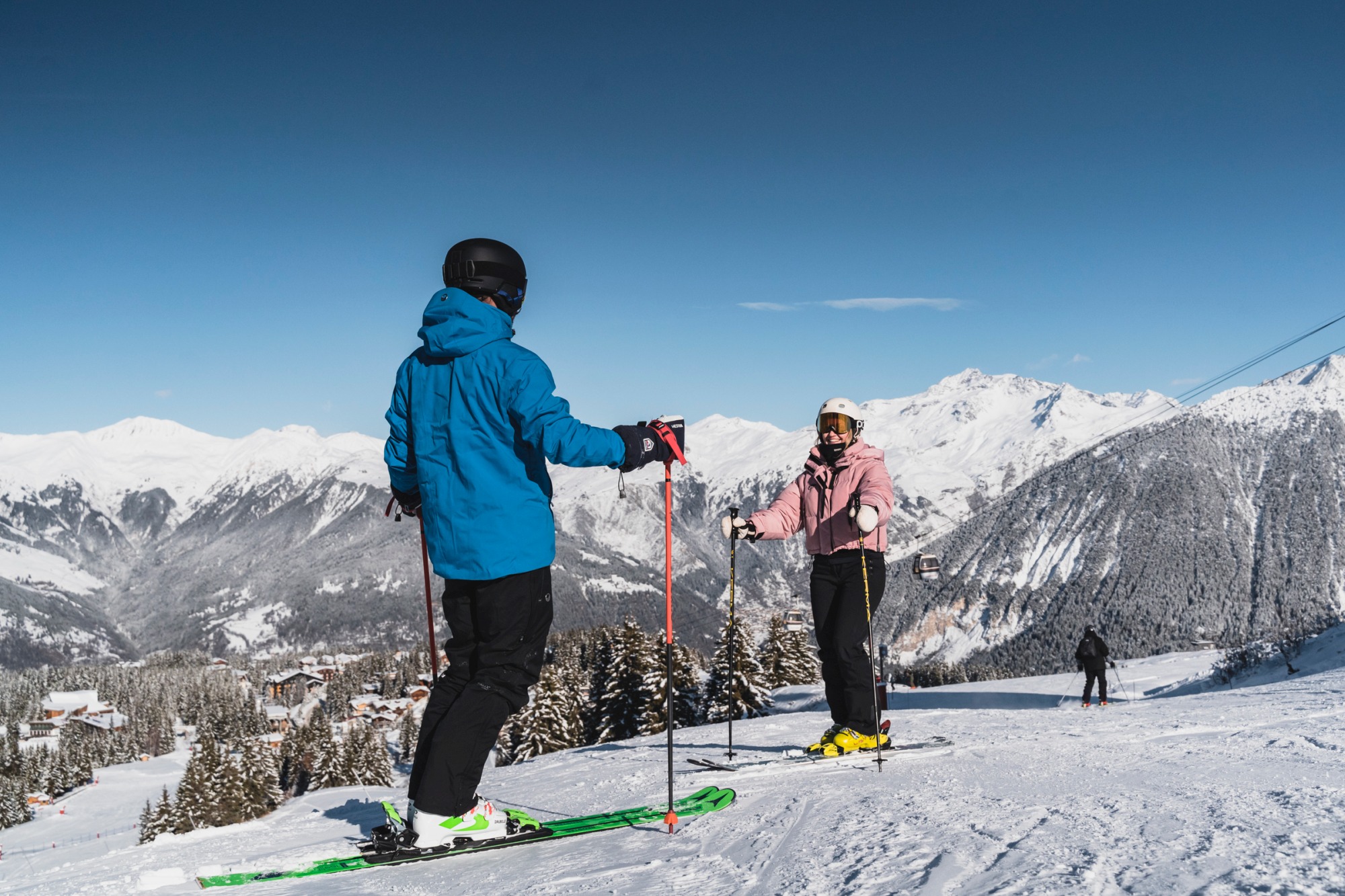
Private ski lessons offer several advantages for beginner skiers looking to improve their technique and build confidence on the slopes. Lessons can be tailored to your ability, learning pace and specific goals, whether you're improving your balance or working towards parallel skiing.
Private ski lessons also allow you to focus entirely on your own development, with exercises and guidance suited to your needs. You'll receive personalised feedback throughout the lesson, helping you understand what you're doing well and what you need to work on.
When booking ski lessons through Maison Sport, you can compare instructor qualifications, reviews and teaching styles to find someone who specialises in teaching beginners.
For Tiffany C., who booked ski lessons in Méribel with instructor Niccolo B., personalised instruction helped her develop good habits and improve her technique:
“Nic is focused on building good habits, technique and stamina that are a toolbox of skills a developing skier can utilise whatever the slope. He was also fantastic at listening to my feedback and requests and tailoring his teaching to my individual needs.”
Where can I book ski lessons for beginners in Europe?
Maison Sport connects skiers and snowboarders with more than 1,000 verified instructors across over 430 resorts in Europe. You can browse instructor profiles, compare qualifications and reviews, and book private ski lessons tailored to your ability. Group ski lessons are also available in selected resorts for adults and children, with trusted ski school partners, including Supreme Ski School.
Whether you're learning to link your first turns in Tignes, building confidence on blue runs in Megève, improving your technique in Zermatt or progressing towards parallel skiing in Verbier, you can find an instructor to suit your ability and goals.
Booking lessons can help you develop good habits, build confidence and make the most of your time on the mountain.
Find and book your ski instructor on Maison Sport.