
- Details
- Written by: Snow Magazine Staff
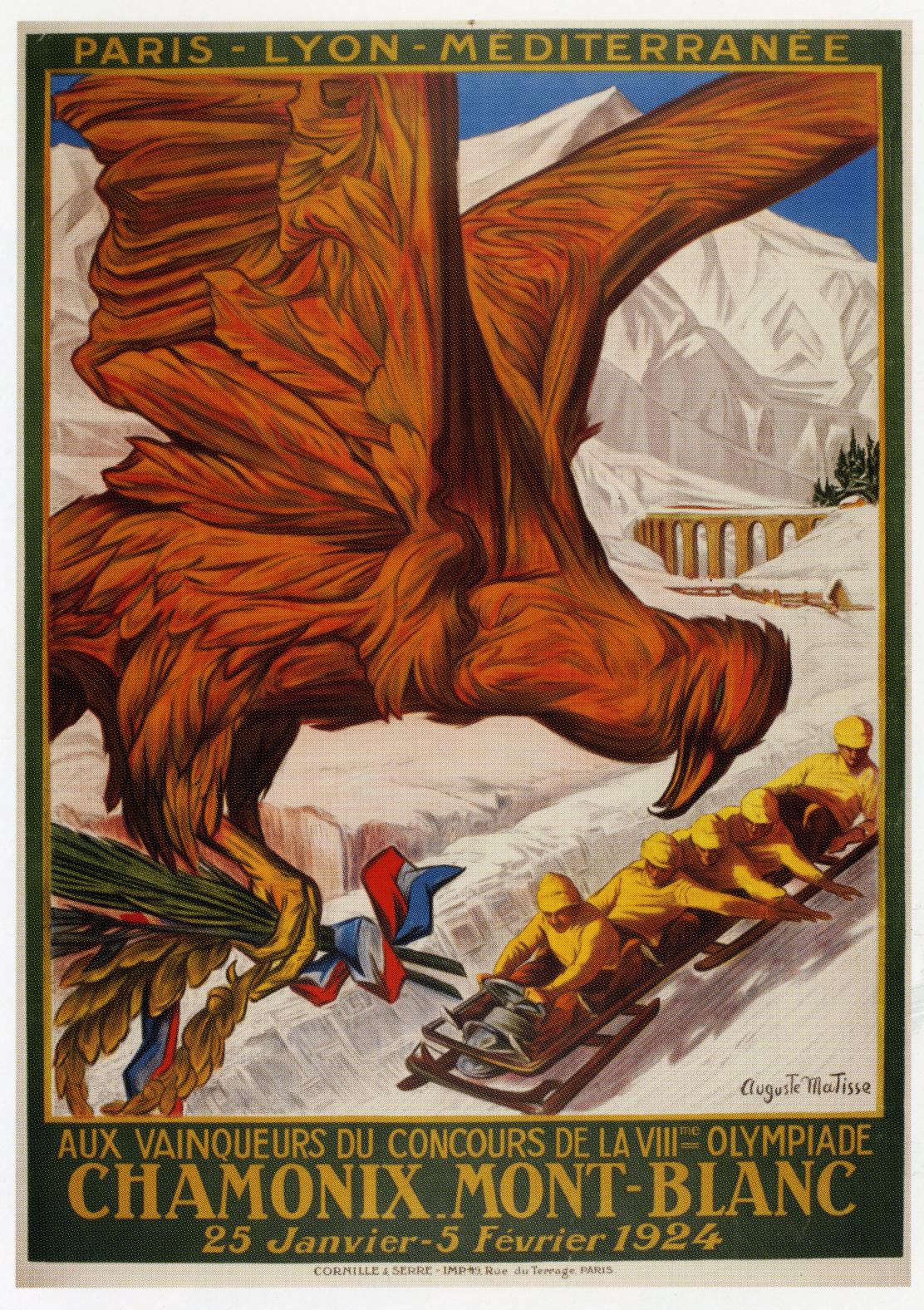
Looking back, there’s a lot that was strange about the World’s first winter Olympics, which were staged in Chamonix just over 100 years ago. For starters, they weren’t even called the Winter Olympics. Instead the event, which took place between 25th January and 5th February 1924, was referred to at the time as “The International Winter Sports Week,”. This is because it had only been inserted into the International Olympic Committee’s (IOC) calendar as something of a token gesture.

Ice hockey and figure skating had been included in previous editions of the summer games, which had been running since 1896. But at the 1921 IOC meeting, other sporting bodies began protesting that this wasn’t fair, and they also wanted in. Of course, while an ice rink could be cooled, you couldn’t stage a cross country skiing contest in the summer, so the Winter Sports Week was born. But it wasn’t until a year later, in 1925, that the IOC retroactively decided to call the event the Winter Olympics.
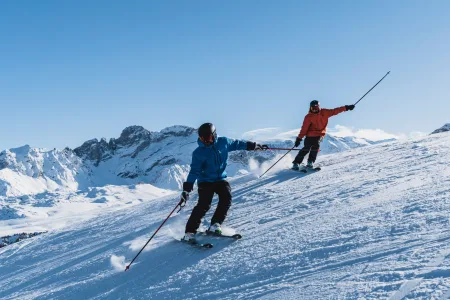
The naming of the not-the-Winter-Olympics wasn’t the only thing that was odd about those first Games. There were no alpine skiing competitions—not even a downhill race, which is a bit like having a summer Olympics without a 100m sprint. At the time, nordic skiing was skiing. The gravity-assisted version that we all know and love was starting to take off—the first ski lift had been built by a forward-thinking German hotelier in the Black Forest in 1908, and similarly rickety contraptions were springing up in the Alps—but the idea of racing skis downhill between slalom poles had only been dreamt up two years previously by the upper-class Brit Sir Arnold Lunn.
This new sport was still viewed as a dangerous distraction from “real” skiing—ie. skiing on the flat. (Ironically, similar arguments would be made by alpine skiers about snowboarding in the 90s, only for halfpipe snowboarding, in particular, to eclipse alpine skiing’s popularity at recent editions of the Games).
If alpine skiing being left out of the program seems strange now, some of the “events” that were left in seem even stranger. At the end of the 1924 Games, the founder of the IOC and the modern Olympics Pierre de Courbetin awarded a gold medal to the British party that had tried—and failed—to reach the top of Mount Everest in 1922. The “sport” they’d won was supposedly Alpinism. To add to the oddness, the medal was collected on behalf of the team by Lieutenant Colonel Edward Lisle Strutt, despite the fact he’d not attempted the summit himself, and was apparently “pompous, pontificating,” and the least popular member of the expedition.
Other events included in the schedule sound strange to us today, but actually look pretty recognisable on closer inspection. There were medals given out for a discipline called “Military Patrol” which doesn’t sound like it’s in keeping with the Olympic spirit, but actually, was basically team biathlon. On the other hand there were sports that sound much the same, but looked completely different. There was a four-man bobsleigh, for example, but the rules stated that you could have a fifth man if you wanted, there were no crash helmets, and the sleds were completely open, leading to all manner of nasty injuries.
Perhaps the most unlikely story of all to emerge from these Games, however, was the tale of Anders Haugen from Team USA, who was only awarded his ski jumping bronze medal 50 years after the event. When the contest took place, Haugen had recorded the longest jump, but he’d made a mistake on the landing, which meant he would be docked some points. And so a Norwegian called Thorleif Haug got the bronze. The result seemed to make sense. Thorleif Haug was a superstar who had already won two medals for Norway in Cross Country skiing, and was on his way to a third in Nordic Combined. Above him on the podium were two other Norwegians. No-one questioned their dominance, or the idea of a clean sweep.
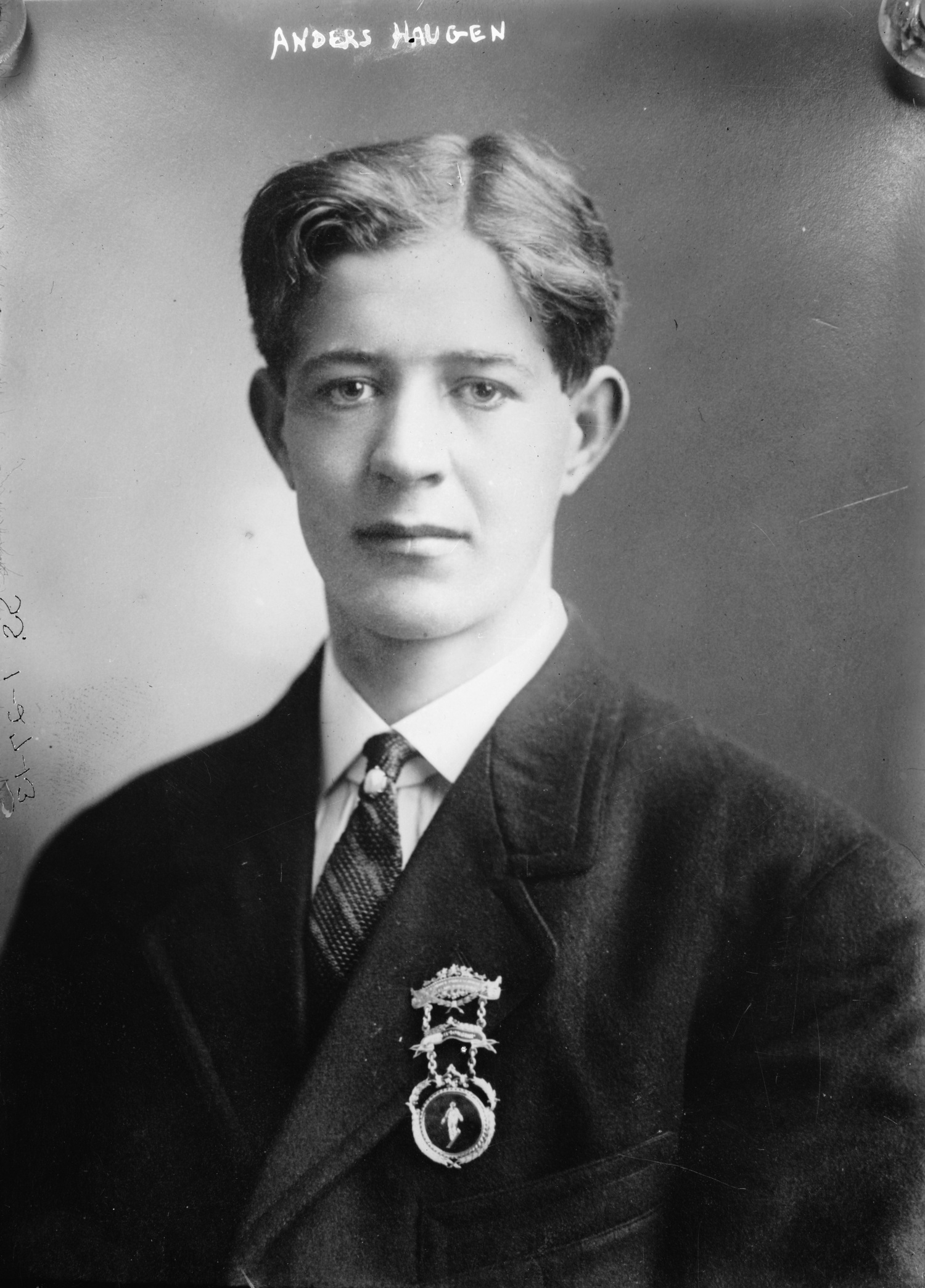
Five decades on, however, yet another Norwegian called Thoralf Strømstad (who’d won silver behind Haug in Cross Country) spotted a mistake in the points deducted from the American skier. He called up sports historian Jacob Vaage, who confirmed it was “a clerical error,” and contacted the IOC. Thorleif Haug had died tragically young of pneumonia at the age of 40. But his daughter graciously handed over her father’s bronze to the American skier, who finally got his dues at the age of 86. ““If my father had lived, he would have been very happy to hand over this medal to you,” Haug’s daughter is reported to have said. To this day, Haugen remains the only American to win a ski jumping Olympic medal.


For all that’s odd about the Chamonix games, there’s a lot that’s recognisable. Judging scandals and the Norwegians clean-sweeping cross country? Sounds all too familiar. But then, so too does the heartwarming tale of Haugen, Haug, and his daughter’s decision to channel the Olympic spirit all those years later. Oh, and of course, the Canadians thrashed all comers at Ice Hockey too, beating Czechoslovakia 30-0, Sweden 22-0, and Switzerland 33-0. Only the Brits, who lost 19-2, and the Americans, who got beaten 6-1 in the final, managed to get goals past them. As I’m sure they said in Chamonix, plus ça change…