The plucky fourth-place finish is the classic cliché of British sport. As a nation, it sometimes feels like just missing out on the medals is our comfort zone—as if we prefer to leave the vulgar business of actually winning things to the Americans, or the Australians, or the Chinese.
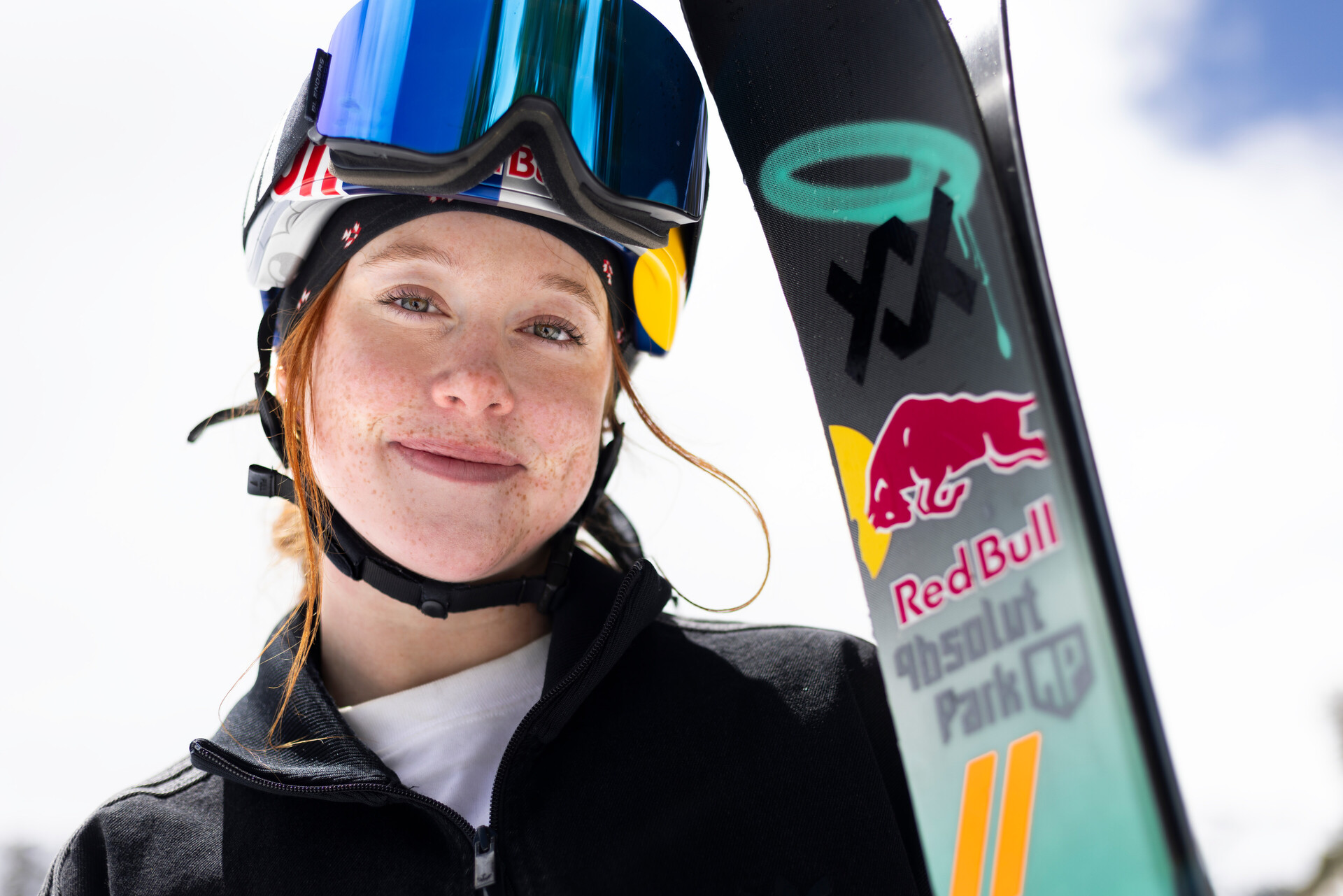
To the untrained eye, the results that came in from the Milano Cortina Winter Olympics yesterday seemed to reinforce this stereotype. Two much-fancied British athletes, freeskier Kirsty Muir and snowboarder Mia Brookes, both finished fourth—in the women’s Slopestyle and Big Air contests, respectively. Media predictions of a “Magic Monday for Team GB” lay in tatters. But look a little closer, and neither of these losses really match that framing—nor do Brookes or Muir fit the mould of the typical, plucky fourth-placer.
"Look a little closer, and neither of these losses fit the stereotype of the plucky fourth-place finisher"
For starters, both are genuinely world-beating athletes. In the run-up to these Olympics, Kirsty Muir won a gold medal in slopestyle at the X Games, on a course that was arguably more challenging, with a run that was undoubtedly more technical. In the process, she beat yesterday’s gold medallist, Mathilde Gremaud, into third place.
Brookes, meanwhile won a bronze in the X Games big air, to back up her 2025 FIS overall crystal globe title in the discipline—the second she’s won in a row. Unlike the stereotypical Brit who nobly out-performs expectations, and just falls short of their just rewards, both Brookes and Muir are big guns in their own right, with the talent and trick bags to beat the best in their respective fields.
By the Barest of Margins
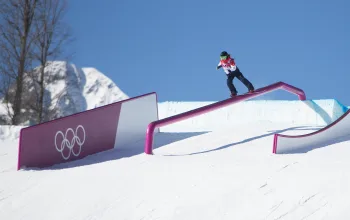
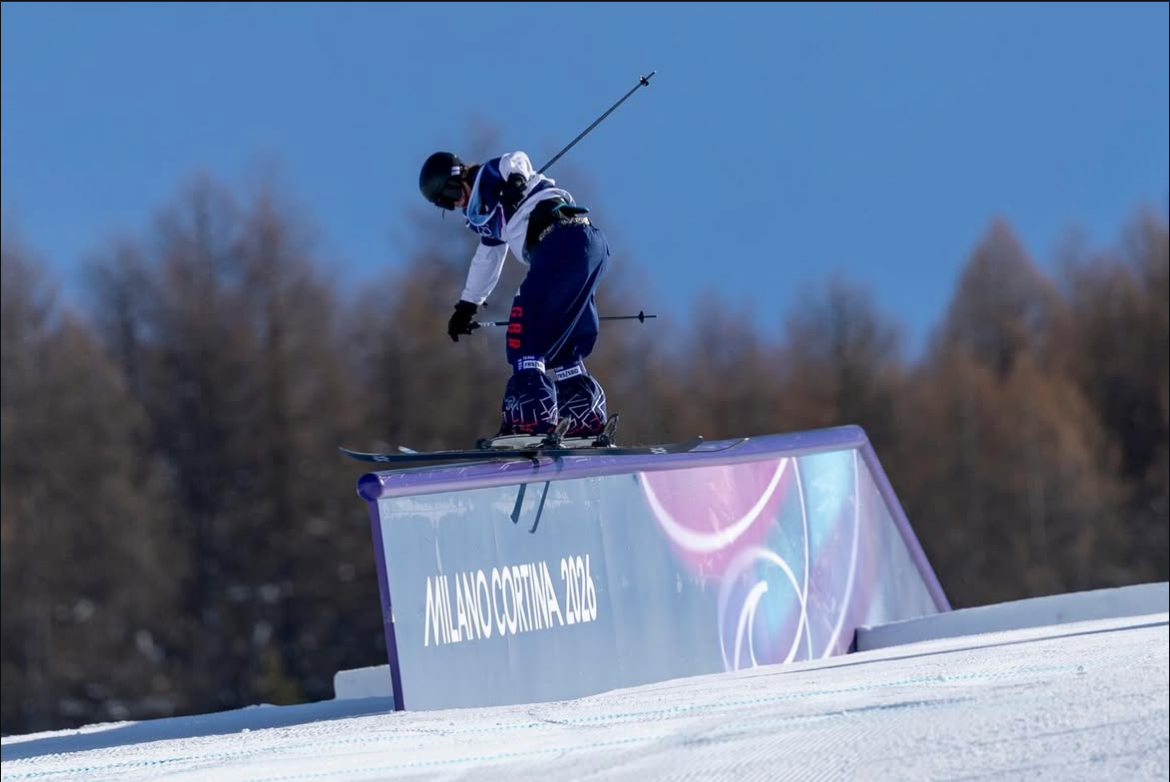
The manner of Muir and Brookes’ fourth-place finishes didn’t really conform to stereotypes either. Both were very different. Muir, having qualified in third place for the finals, was essentially undone by two small mistakes on the day. On her first run she overshot the second kicker which meant she didn’t have enough speed to hit the third.
On her second run, clearly out of sorts, a minor mistake left her spinning just a 720 on the final kicker, which ate into her score. This meant she hadn’t really landed a “proper” run, and left her doing what was essentially her safety run third time round—presumably knowing that even with a clean one, she’d be gunning for bronze.
"Looking at the detailed breakdown of the tricks and scores published by the judges in the aftermath is instructive"
Looking at the detailed breakdown of the tricks and scores published by the judges in the aftermath is instructive. Muir’s rails, and a kicker combo that went leftside bio 9, rightside double cork 10, rightside double cork 1440, actually earned her a higher trick score than Meghan Oldham, the eventual bronze medallist. But Oldham’s overall composition score was better, with the technically difficult back-to-back 1260s over the kickers, earning her a 32.26 to Muir’s 30.40.
Oldham’s total score was just 0.41 of a point ahead of Muir’s—the kind of tiny margin that, on a different day, with a different set of judges, might have gone a different way. No wonder Muir was frustrated and tearful afterwards—keeping her goggles firmly on as she sniffed through a post-match interview with TNT Sports: “I’ll be proud of myself in a minute, but I’m in a bit of a hole right now,” she said.
Go Big or Go Home
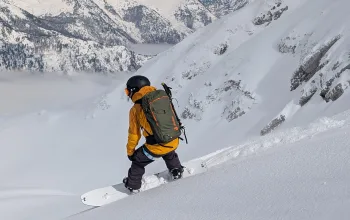
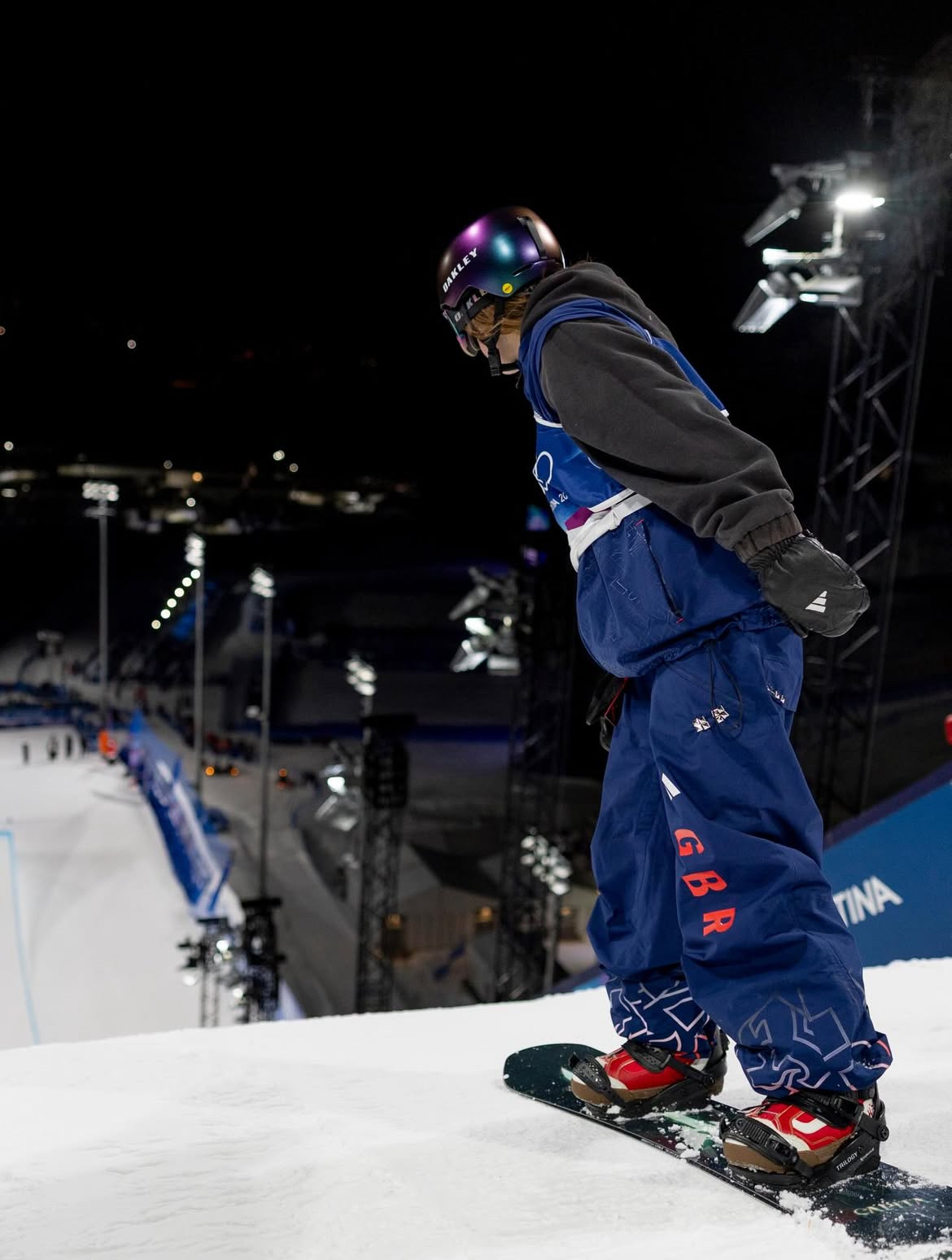
By contrast, Brookes’ fourth-place finish in big air, a few hours later, felt very different. She’d also qualified to the final in third place, but unlike Muir, Brookes had landed her first two runs. This meant she stood at the top of her third and final run with a solid foundation—but knowing she had to improve one of those scores to bump herself up onto the podium. She could either play it safe, or go for broke.
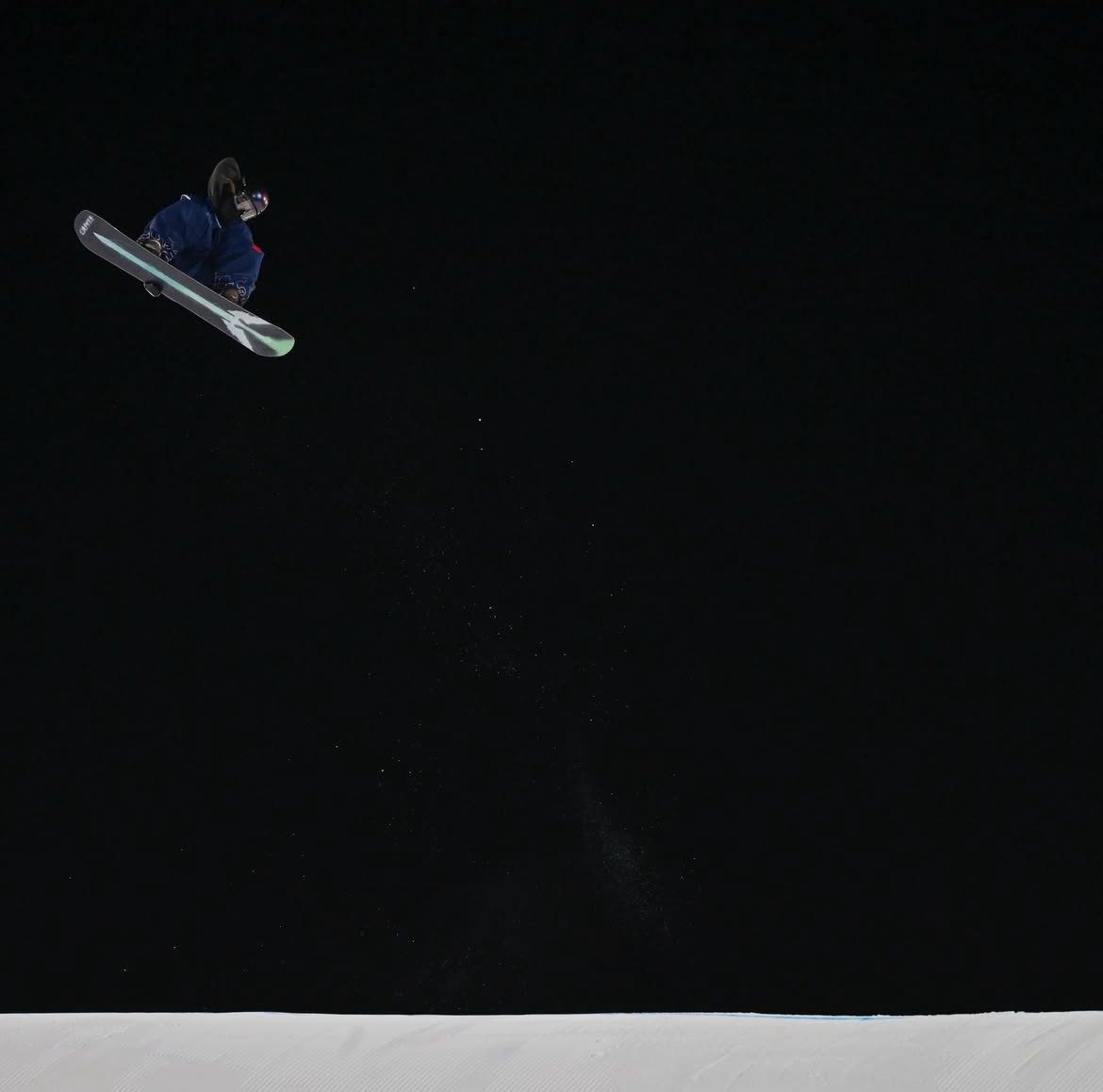
"I could have done a 14 and come fourth or third, but I also could have done the 16, and landed it and won.” she explained in a statement published afterwards by Team GB. "Koko [Murase, the eventual gold medallist] is the only girl who has that trick right now, and so if I had landed it, I would have been the second woman to do that trick.”
Brookes’ calculation was simple: “I would rather be in fourth with a 16 rather than fourth and a 14," she said. The backside 1620, had she stomped it, would not only have made history, it would almost certainly have put her in gold medal position—and pushed Murase to pull something truly special out of her own bag of tricks.
A true snowboarders’ snowboarder, Brookes went for it, in part because she knew it would push both the event and the sport up a notch. “I didn't want to do it at all but sometimes you just have to and grit your teeth," she said. And had she landed it? “It would have been insane.”
Looking to the Future
Brookes’ reaction in the aftermath—more stoked that she’d come so close than gutted that she’d not stuck the landing—told you everything you need to know about what she was feeling. Her celebrations afterwards—hugging those who’d kept her off the podium—showed that she was more fussed about pushing herself, her friends, and the sport than securing an Olympic medal.
She will, of course, have another chance to win one of the coveted baubles in the snowboard slopestyle—her strongest event—next Monday, February 16th. Muir will also have another shot, as she and her fellow freeskiers take their turn on the Livigno big air kicker this Saturday, February 14th. On top of this, both are young enough (not to mention talented enough) that they could, if they wanted, return for at least one more Winter Games after this one. And you'd be foolish to bet against them in the days, months, and years to come.
Plucky, British fourth-place finishers? Not these two. At least, not for long. Write them off at your peril!