- Details
- Written by: Tristan Kennedy
Earlier this week, the International Olympic Committee (IOC) officially confirmed that it would add Freeride Snowboarding and Freeride Skiing as disciplines to the next Winter Olympics in 2030—an announcement which represents the biggest shakeup of snowsports at the Games since the first freestyle discipline, snowboard halfpipe, was added way back in 1998.
The news came as no surprise to anyone who’s followed the arcane process of Olympic sport selection. Ever since December 2022, when the Federation International du Ski (FIS, competitive skiing’s main governing body) bought the Freeride World Tour (FWT, the organisation that’s put on most freeride contests since 1996) the sport has been on a one-way track to Olympic status.
"Critics argue that freeriding should be about carving down Alaskan spines just because you love it—not jumping off cliffs or through hoops for judges"
It’s obvious why the IOC would want freeriding as part of their five-ringed circus. Like surfing, the breakout hit of the most recent summer games, freeride snowboarding (and skiing) promise adrenaline-suffused action in a visually-stunning environment: a combination that plays well with a younger demographic, and the algorithms that help shape their viewing habits.
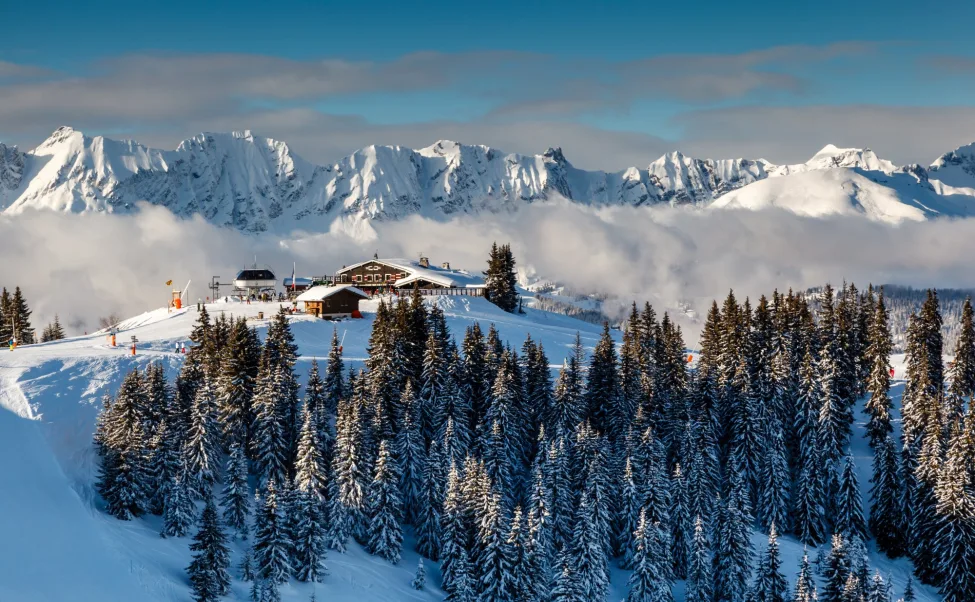
Tahiti’s epic waves provided some of the most viral moments from Paris 2024. The assumption is that steep, powder-laden faces of the French Alps—the 2030 Olympics’ venue—would do the same.

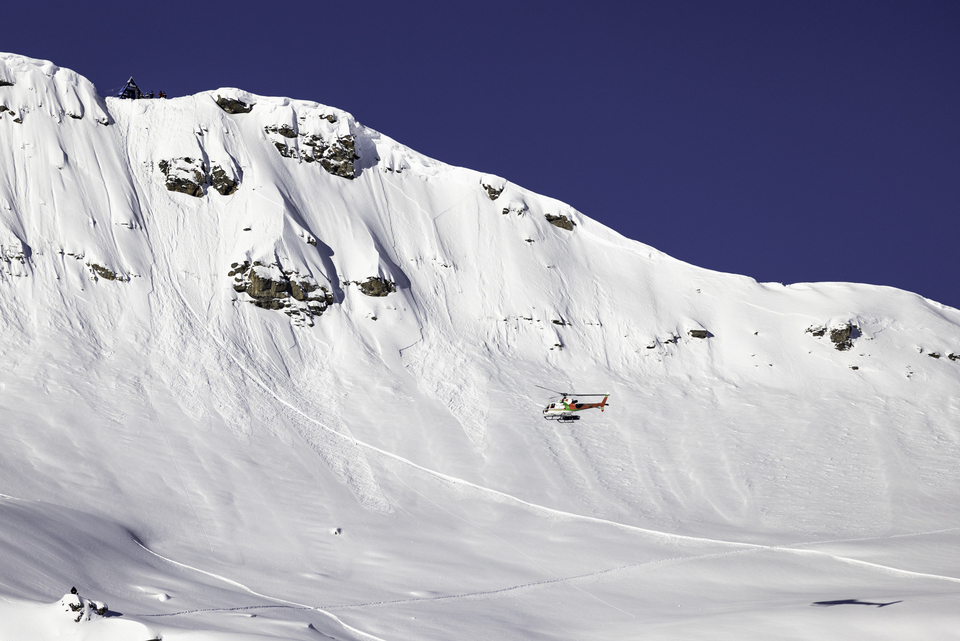
What’s perhaps less obvious is what freeriding stands to gain from the deal. Often seen as the pursuit of purists, it's a discipline that traditionally takes place miles out in the backcountry, that fetishises the discovery of inaccessible new faces, and (as the name suggests) puts a premium on the freedom to follow your own path.
Comment section critics like to argue that freeriding should be about carving down Alaskan spines just because you love it—not jumping off cliffs or through hoops for judges and medals.
Mo money, less problems
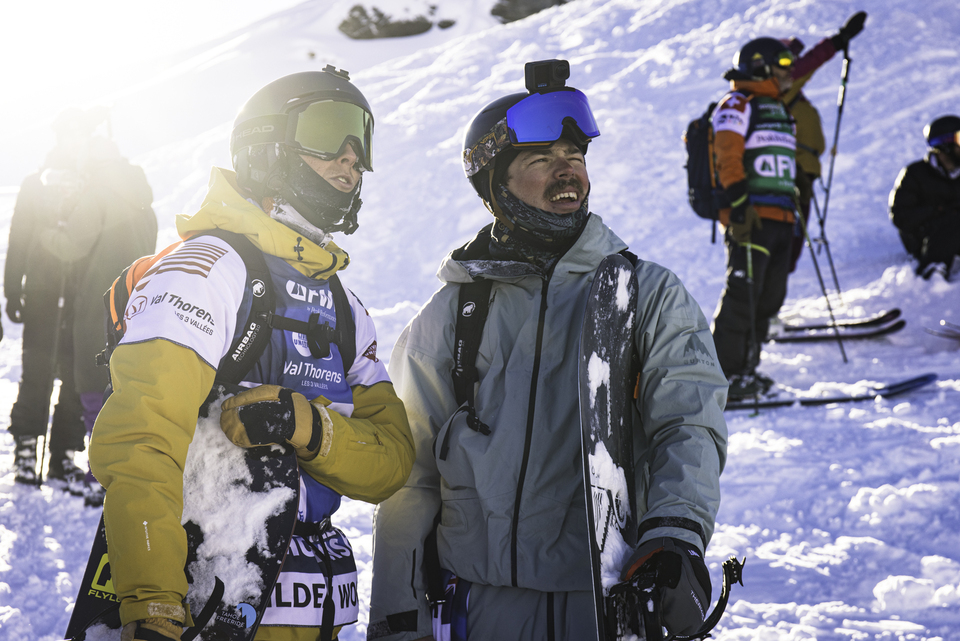
Yet from the point of view of the actual people doing the freeriding, it’s hard to see the sport’s newfound Olympic status as anything other than a net positive. As it stands, only a handful of riders at the very top of their game (think: Victor de le Rue and Travis Rice or, on the skiing side, Markus Eder and Sam Anthamatten) can make a living out of freeriding, chiefly from filming and sponsorship.
The extra eyeballs that the Olympics will bring to the competitive version of the sport will almost certainly attract more sponsors, meaning bigger prize pots for contests and greater individual sponsorship deals for riders. This should allow more athletes to join the elite in pursuing their passion full-time.

The Olympics represent “the chance of a lifetime,” snowboarder Cody Bramwell told me in an interview last year. Currently the only Brit competing in the tour’s top tier, he “would love to go,” if he’s still fit and firing in 2030, he explained. Lily Bradley, a non-binary skier from California, who competed on the tour for several seasons with the ultimate aim of launching a film career, agreed.
“Originally I was against freeride becoming an Olympic sport because I thought that it would really change the culture,” they told me. What changed their mind was the idea that Olympic inclusion could make freeriding an easier and more viable career choice. “I would ideally hope that it would be something you could make a living wage off of because it's not currently, at least in the US.”
Won't somebody think of the children?
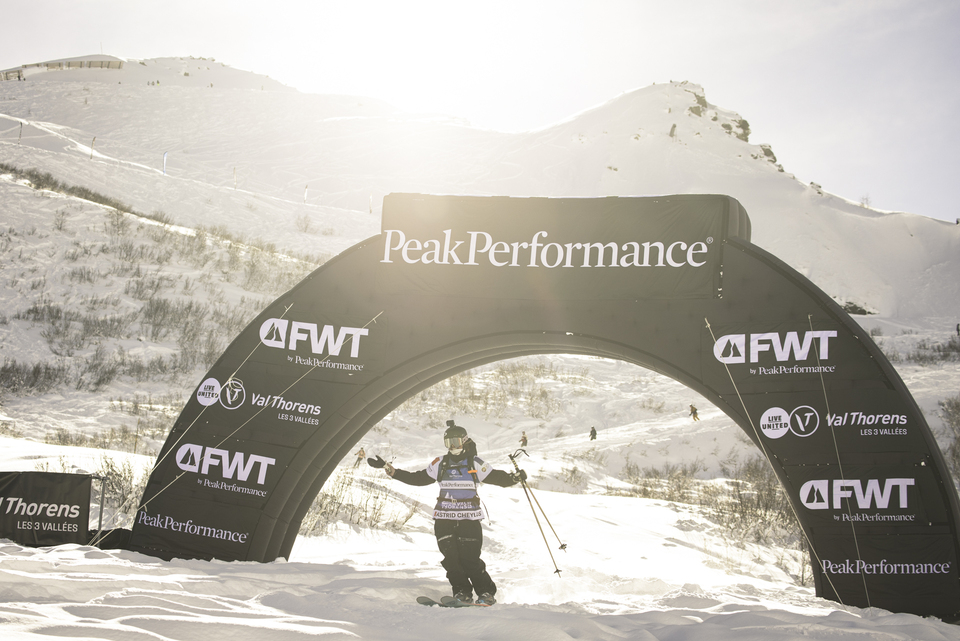
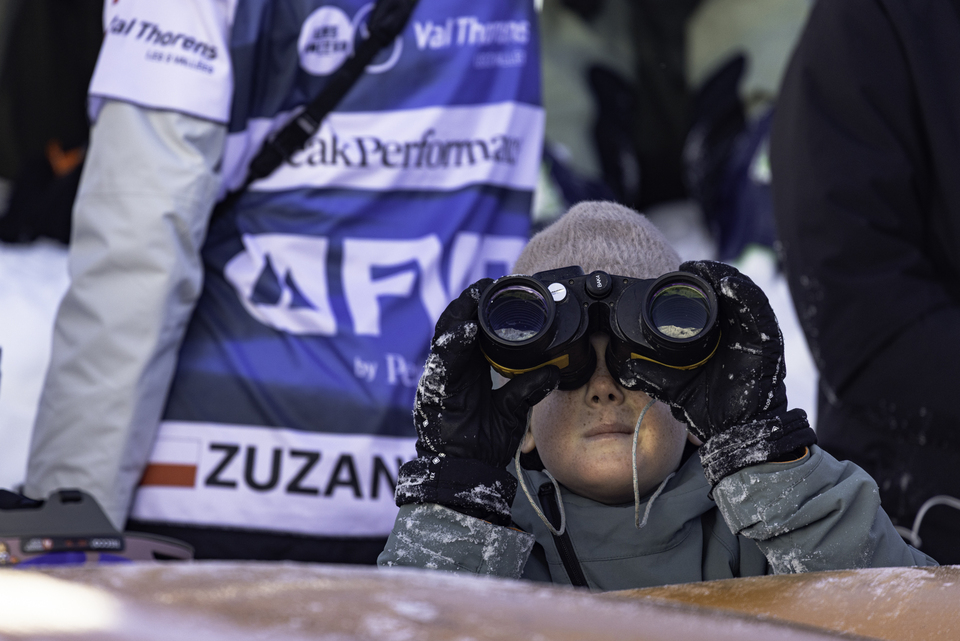
If the upsides for the current crop of FWT riders are not to be sniffed at, it’s the effect of Olympic inclusion on future generations that’s arguably more important. Recently there’s been an explosion in the number of freeride-focussed ski clubs for kids in anticipation of the IOC’s announcement.
And long before the FWT got into bed with the FIS, the tour’s organisers poured time, effort and money into setting up a pyramid structure (like the English Football League) which creates a clear path for riders to rise up the rankings.
All of this means the ski-mad kids of today won’t have to don lycra or bash gates in order to pursue a competitive skiing career. And just as the arrival of freestyle transformed the ski industry over the course of the 1990s and 2000s, the existence of this alternative route to the top is likely to drag the entire sport in a new, more backcountry-focussed, direction.
The addition of competitive freeriding to the Olympics doesn’t stop anyone from going off and shredding Alaskan spines for fun. On the contrary, it makes it more likely that more people will get into that kind of skiing.
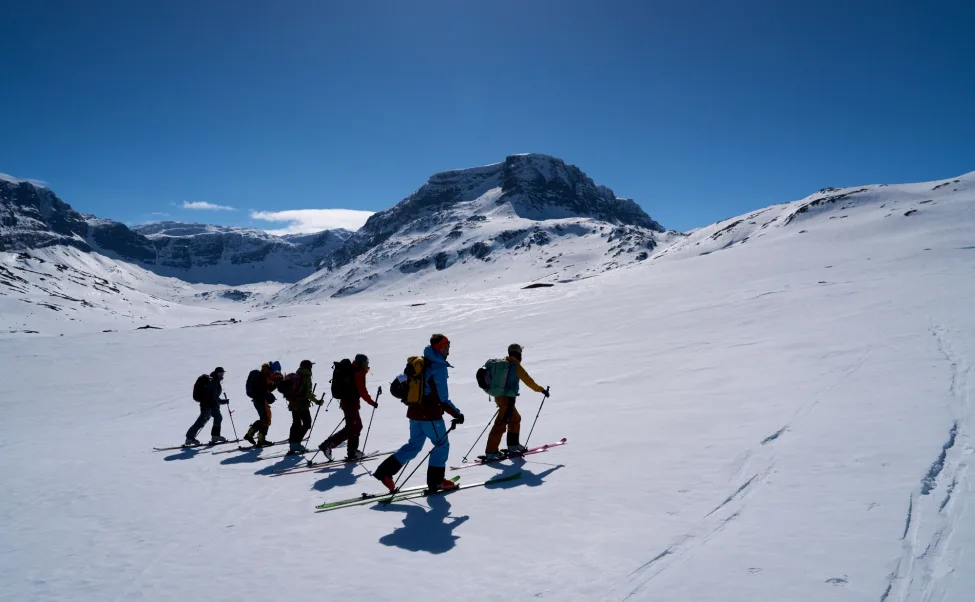
At the same meeting where they decided to embrace freeriding, the IOC also voted to increase the number of Ski Mountaineering events at the 2030 Games. With skinning up and shredding down powdery faces both now Olympic-sanctioned sports, competitive snowsports as a whole are venturing further off-piste.
The long-term knock-on effects of the IOC's decision this week will be huge. And whether you’re a kid who prefers pow turns to icy pistes, a coach looking for funding to set up a freeride program, a recreational rider looking for better backcountry equipment, or even a non-skiing observer who just wants something more exciting to watch at the next Winter Olympics, having freeriding at the Games can only be a good thing.
Tristan Kennedy is the editor of SNOW magazine.