- Details
- Written by: Tristan Kennedy
Skiing has traditionally been seen as a rich person's sport, and with good reason. The advent of cheap flights and packages from the 90s onwards, however, has made it considerably more affordable. And if you're judicious about your choices, a ski holiday doesn't need to break the bank.
One of the biggest factors affecting the price of any ski holiday is, of course, your choice of resort. Some places pride themselves on their exclusivity. St. Moritz and Gstaad in Switzerland, for example. Or Deer Valley in the US (a place so posh that snowboarders are banned from its slopes!) But there are plenty of others that focus on offering lift tickets and accommodation at the best possible prices.
"If you're judicious about your choices, a ski holiday needn't break the bank"
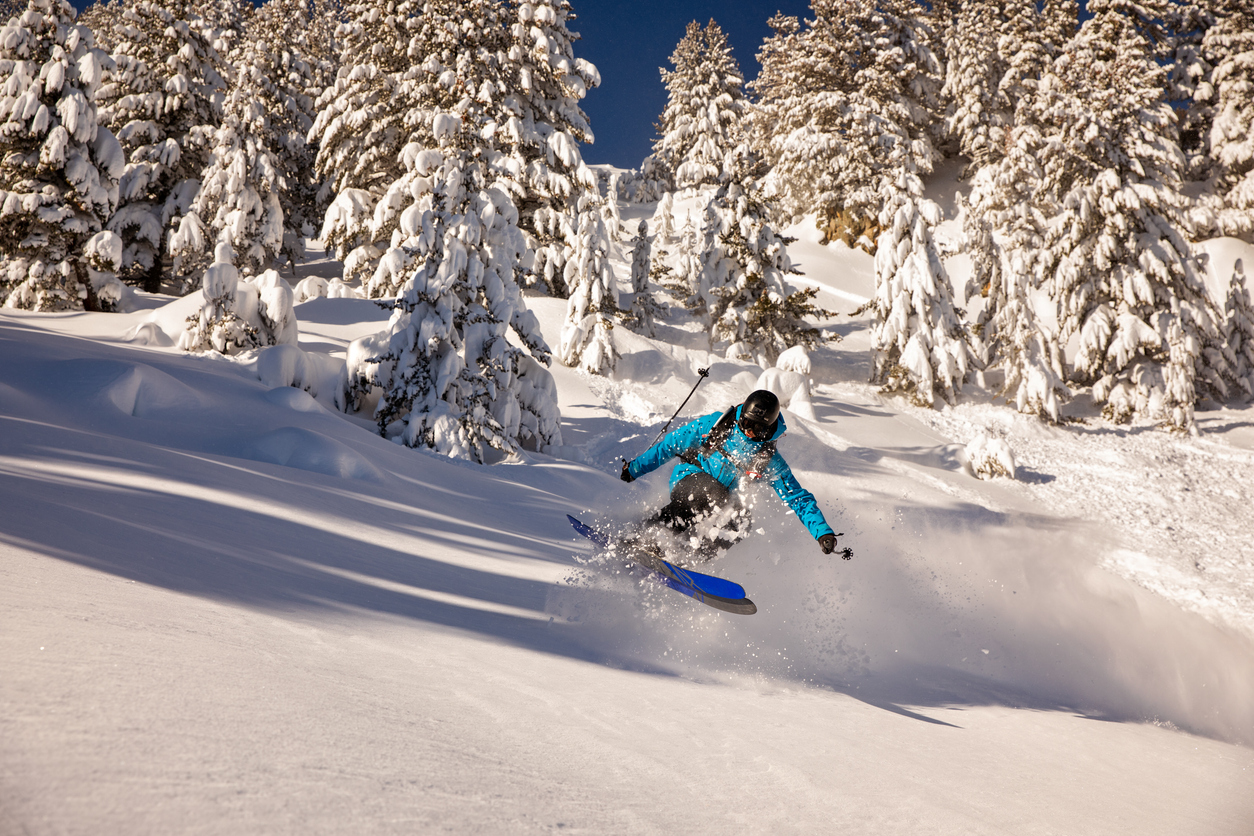
Ski resorts in Eastern Europe, where the cost of living is lower, often offer very attractive deals for British skiers and snowboarders. But there are also plenty of great, low cost ski resorts in Western Europe too. Ski resorts in Italy, where food, drink, and accommodation tends to be cheaper than France or Austria, can be great budget options. And, if you're prepared to look beyond the Alps to the Pyrenees, where the low-tax Principality of Andorra offers some great deals.
As well as which country you're heading to, the other thing to consider is the size of the ski area. If you're an experienced piste skier who loves hammering reds and blues, you might miss the size of a mega-resort like Val Thorens. But if you're a beginner, or intermediate, you may get just as much out of a smaller resort—and you may make considerable savings too.
Here, we've selected what we believe are the best low-cost ski resorts, from a range of different countries. This list isn't exhaustive, but will hopefully get you started. If you know where to look, how to book (independent vs. package holidays) and where to go, a skiing may be more affordable than you think.
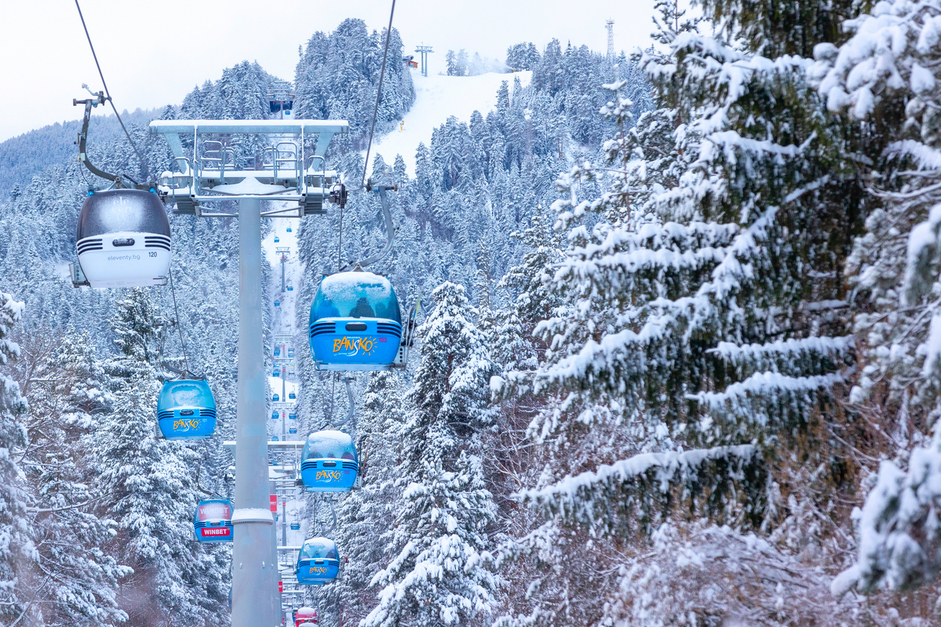
Bansko, Bulgaria
Bansko has long been one of Europe’s best-value ski resorts. Set beneath the jagged peaks of the Pirin Mountains in Bulgaria, the resort combines a modern lift system with prices that feel incredibly reasonable by Western European standards.
The ski area itself is compact but efficient, with reliable snowmaking covering most of the pistes and a gondola linking the historic town to the slopes. Beginners and intermediates are particularly well catered for, with wide, confidence-building runs and gentle gradients, while advanced skiers will find some steeper terrain higher up the mountain, especially when conditions allow.
The lift tickets themselves aren't ludicrously cheap (a six day pass for the 2025-26 season will set you back €341 / £297) But what really sets Bansko apart is value off the slopes. Accommodation is exceptionally cheap, food and drink prices are low (think €2.50 pints), and ski hire and lessons cost a fraction of what you’d pay in France or Switzerland. The après ski scene is lively, if a little rough around the edges, with everything from Irish pubs to late-night clubs packed during peak season.
It’s not a resort for endless mileage, but for budget-conscious skiers who want reliable conditions, modern infrastructure and a buzzing atmosphere, Bansko is hard to beat.
Read our full resort review of Bansko for more info.
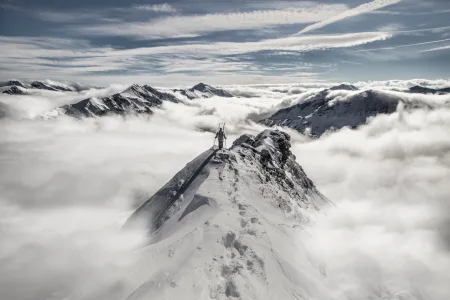
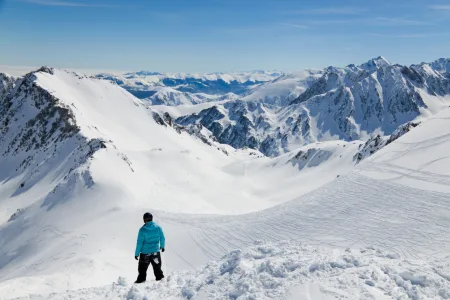
Erciyes, Turkey
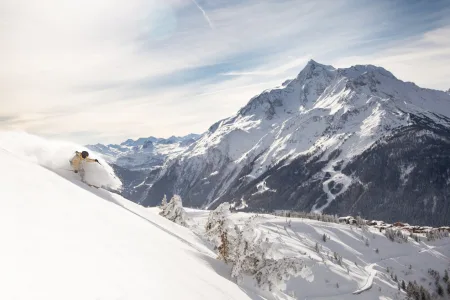
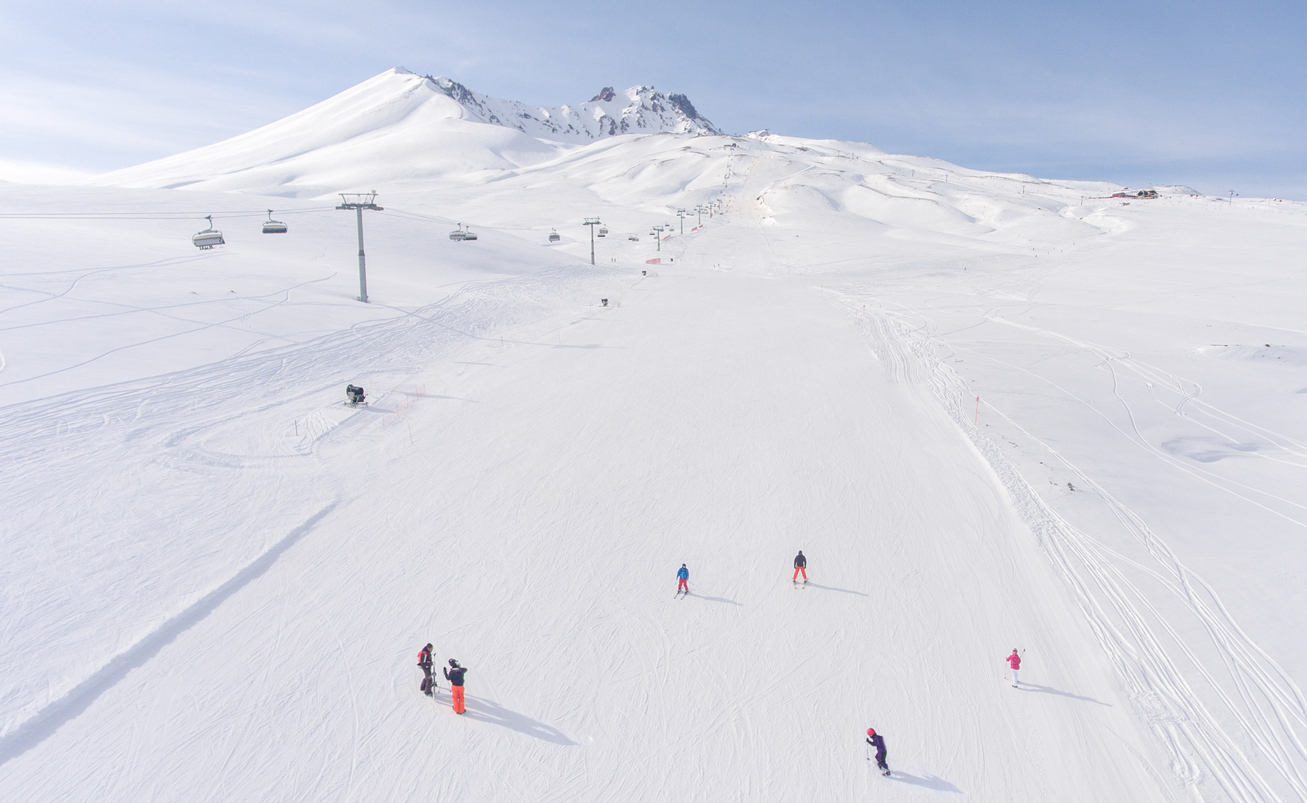
Erciyes is one of Europe’s most surprising ski destinations — a modern, high-altitude resort rising from the plains of central Turkey, with prices that feel almost impossibly low. Located near the city of Kayseri, Erciyes sits on the slopes of an extinct volcano, offering wide-open pistes and dramatic views.
The slopes and lifts, which were laid out by an Austrian company, are impressively modern—with high speed chairs and gondolas, fun pistes, and extensive snowmaking. The terrain suits beginners and intermediates particularly well, with long, rolling runs ideal for progression, while stronger skiers will find steeper options higher up the mountain when conditions allow.
What really sets Erciyes apart is value. Food and ski hire are significantly cheaper than in Western Europe, and the lift pass prices, which are kept deliberately low, to attract locals, seem crazy if you're used to the Alps or the US. Rather than day passes, they sell them per ride. But a 100-ride lift pass, which will easily last you 6 days, will set you back 7,500 Turkish Lira — or £129.
Accommodation is similarly wallet-friendly. Hotels range from simple guesthouses to international chains, many offering ski-in, ski-out access. And if you want to save still more money, you can stay down the road in Kayseri.
Culturally, Erciyes offers something different, too. A ski trip here can easily be combined with exploring Cappadocia or sampling traditional Turkish cuisine. For adventurous skiers looking to stretch their budget, and their horizons, Erciyes is a compelling alternative—which is why our experts selected it as one of the Best Ski Resorts in the World 2026.
Read about our recent trip to Erciyes for more info.
Jasná, Slovakia
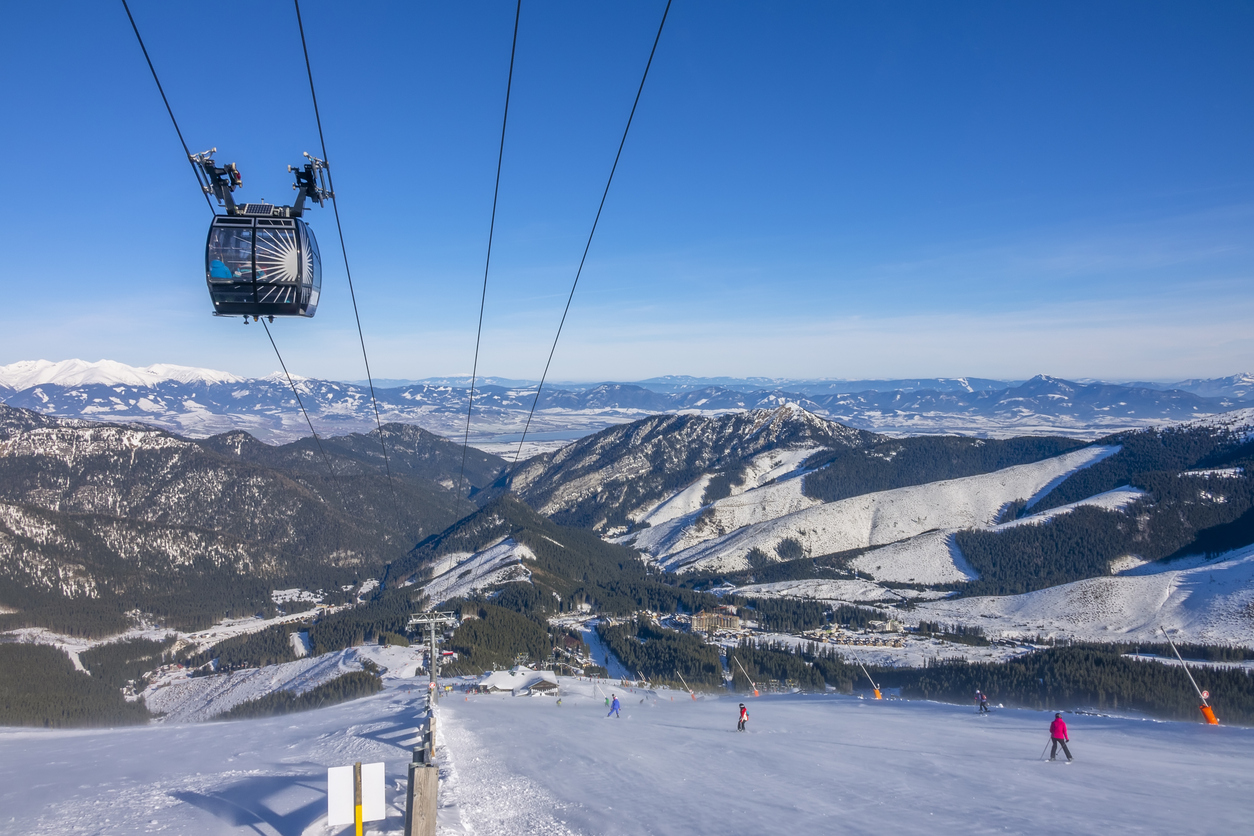
Jasná is the largest and most developed ski resort in Slovakia, and one of the best-value destinations in Central Europe. Set in the Low Tatras mountains, it offers modern lift infrastructure, reliable snowmaking and terrain that comfortably rivals better-known Alpine resorts.
The ski area is split across the north and south faces of Chopok mountain, giving a good mix of conditions and scenery. Beginners and intermediates are especially well served, with wide pistes and long, flowing runs, while advanced skiers will find steeper sections and some excellent freeride zones when snow conditions are right.
Prices remain Jasná’s biggest draw. Lift passes are affordable (€384 for 6 days in 2025-26), accommodation is excellent value, and food and drink costs are refreshingly low by Alpine standards. Despite this, the resort feels modern and well run, with recent investment improving lifts, snowmaking and après ski facilities.
Jasná suits skiers who want a full-scale resort experience — varied terrain, good infrastructure and lively evenings — without paying Western European prices. It’s also easy to reach from Vienna or Kraków, making it an increasingly popular choice for savvy skiers looking east for value.
Read our full resort review of Jasná for more info.
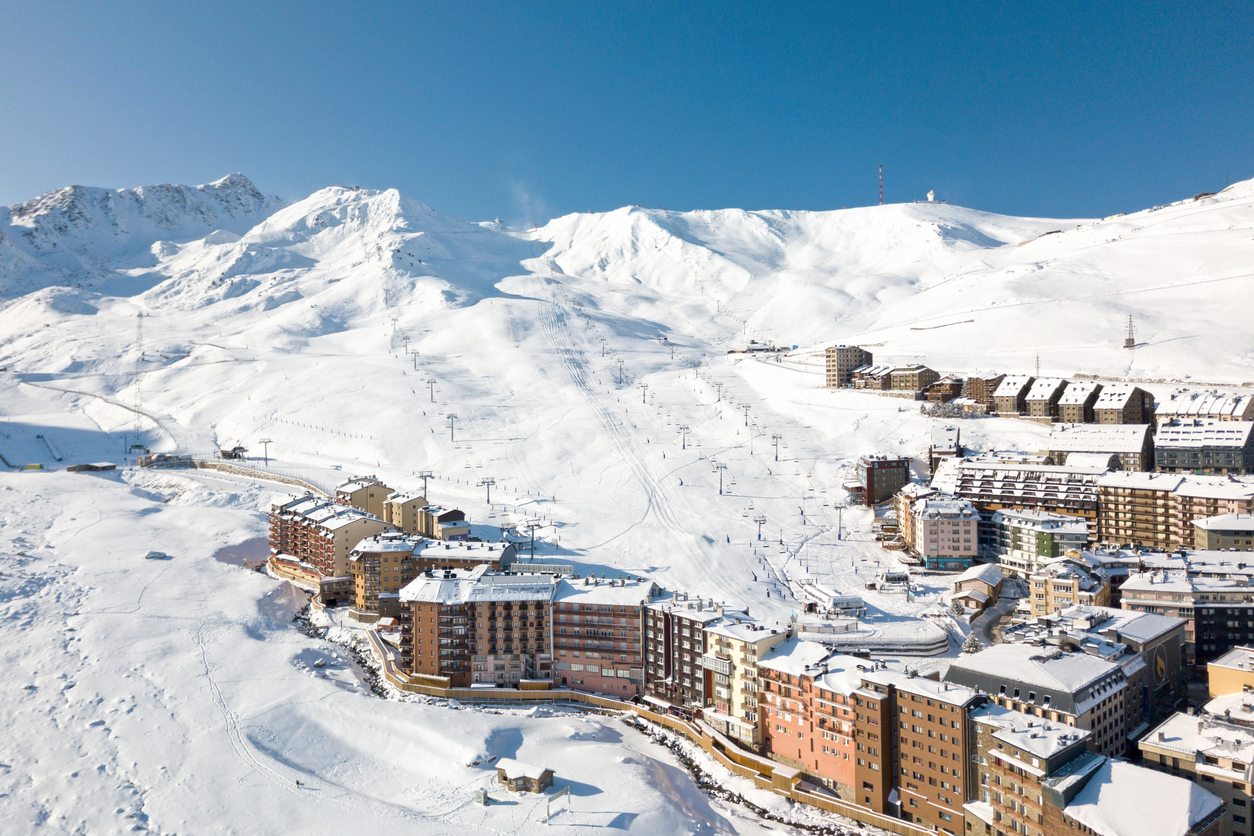
Pas de la Casa, Andorra
Pas de la Casa is one of Europe’s most famous budget ski resorts — and unapologetically so. Perched high on the French border, it offers direct access to Andorra’s vast Grandvalira ski area, combined with some of the liveliest après ski in the Pyrenees.
The skiing is far better than its reputation sometimes suggests. Pas sits at the highest point of the domain, making it one of Andorra’s most snow-sure resorts, and the terrain is varied enough to keep beginners and intermediates entertained for a full week. Confident skiers can easily explore further afield, with pistes and lifts linking Pas de la Casa to Grau Roig and Soldeu.
Where Pas de la Casa really excels is affordability. Accommodation ranges from no-frills apartments to budget hotels, and Andorra’s low taxes mean cheap alcohol, electronics and duty-free shopping. This makes it especially popular with younger skiers and groups looking to maximise value. A six day lift pass will set you back €378 for the 2025-26 season, which is a bargain given how big the ski area is.
The resort is loud, busy and party-focused — not ideal for families or those seeking alpine charm. But if your priorities are extensive skiing, good snow and a big night out on a small budget, Pas de la Casa delivers exactly what it promises.
Read our full resort review of Pas de la Casa for more info.
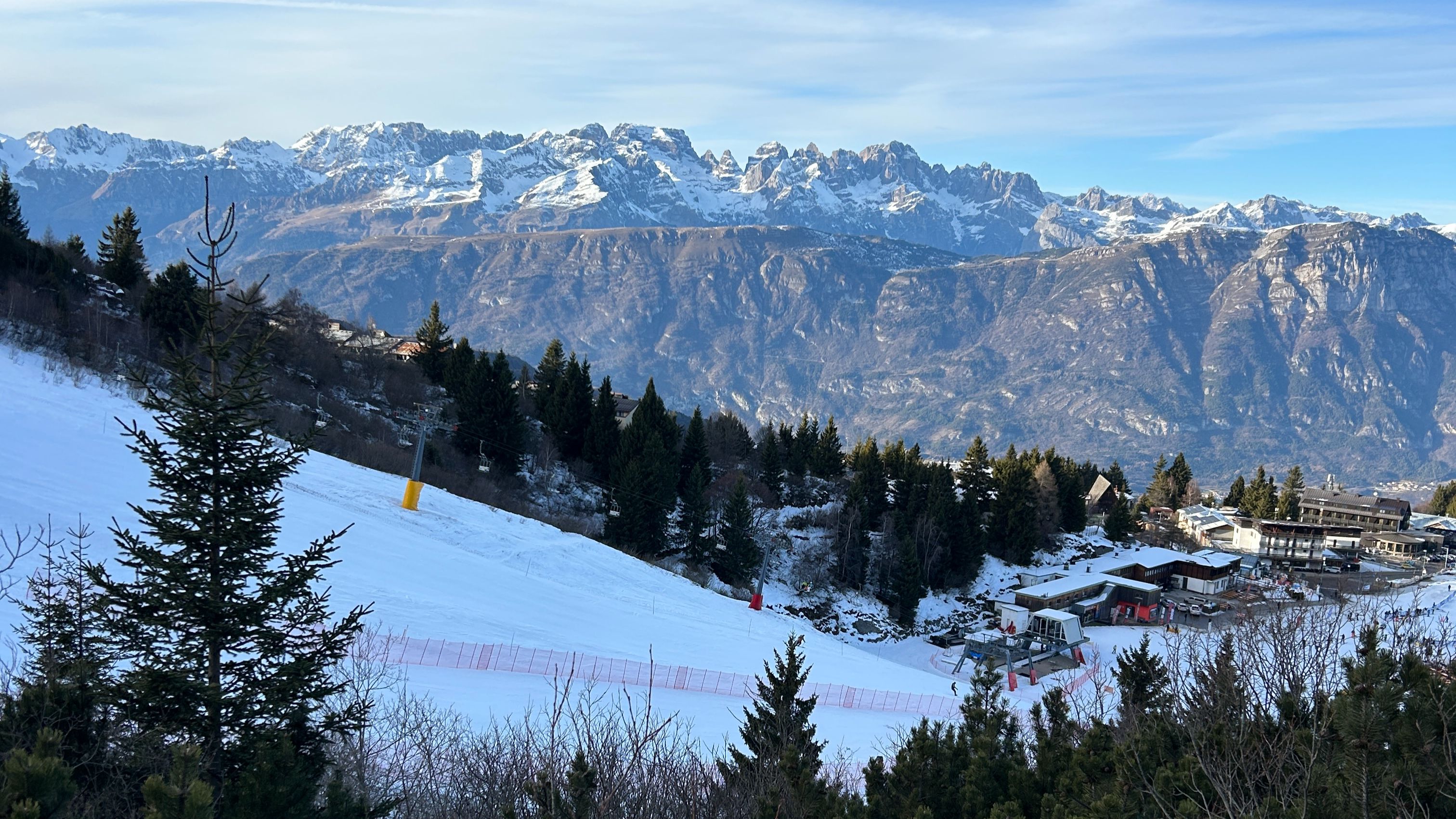
Monte Bondone, Italy
Often overlooked in favour of the Dolomites’ headline resorts, Monte Bondone is one of Italy’s best low-cost ski destinations. Sitting just above the city of Trento, this compact ski area offers a relaxed, local feel and spectacular views across the Adige Valley on one side, and the Brenta Dolomites on the other.
Monte Bondone is small, with just 25km of pistes, but it's is ideally suited to beginners and intermediates. The slopes are well-groomed, with forgiving gradients and there are minimal lift queues. Advanced skiers won’t find huge vertical or extreme terrain here, but the small size helps keep the prices low—a 6-day, adult lift pass for low season weeks costs just €203, rising to €240 in high season weeks.
Accommodation is similarly cheap, and while the villages of the resort itself (Vason, Norge and Candriai) are small, they have everything you need for six days, including a variety of restaurants and bars. Trento, half an hour's drive down the mountain, is a lively university city of 130,000 people, with more and potentially cheaper accommodation options. It's easily commutable, espeically if you rent a car.
If you’re looking for a stress-free, affordable Italian ski trip — without the crowds or inflated prices — this is a smart, underrated choice.
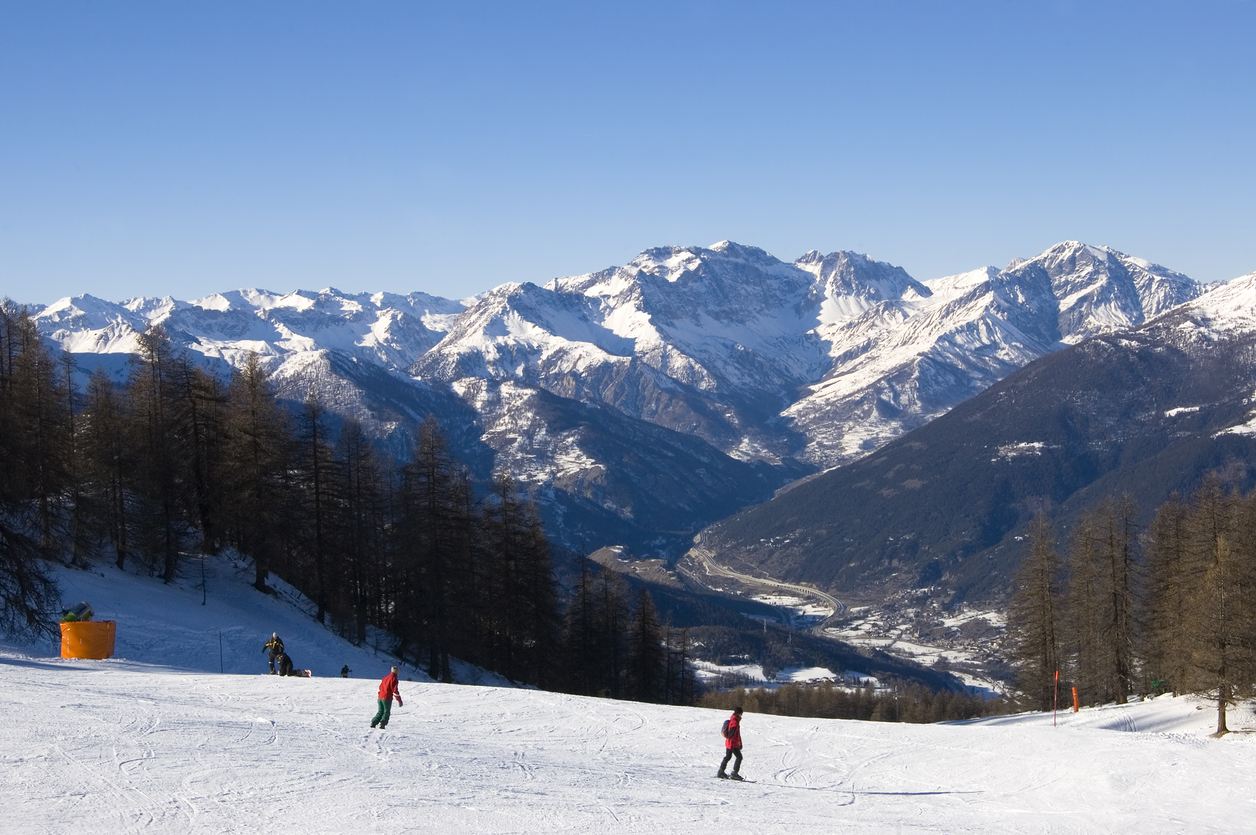
Sauze d'Oulx, Italy
Sauze d’Oulx combines Italian flair with some of the best-value skiing in the Alps. In terms of accessible ski area it's the largest on this list. As part of the vast Via Lattea (Milky Way) ski area, Sauze offers access to hundreds of kilometres of groomed runs which straddle the border of Italy and France, and yet it doesn't cost the earth.
The resort itself has a lively, sociable atmosphere, with a historic centre full of cafés, wine bars and relaxed après ski spots. Sauze attracts a mix of families, groups and confident intermediates, all drawn by the excellent cruising terrain and long, scenic runs through the surrounding forests.
Beginners will find plenty of friendly slopes near the village, while intermediates can spend days exploring wide red runs stretching towards Sestriere and Claviere. Advanced skiers have fewer extreme options, but there’s still enough steeper terrain to stay entertained, especially after fresh snowfall.
Accommodation is generally good value, especially compared to what you'd pay over the French side of the border, and food prices remain reassuringly Italian. A six day adult liftpass for the 2025-26 season costs €256 in low season weeks and €294.50 in the high season. But that's a steal, given the Via Lattea has an incredible 400km of pistes.